Non-Toxic House Cleaning: Hidden Dangers & Safer Options
- Traditional cleaners often contain ammonia, bleach, phthalates, formaldehyde, and VOCs that harm health and environment.
- Cleaning chemicals release VOCs that worsen indoor air quality, causing headaches, irritation, and respiratory issues.
- Children, pets, and allergy sufferers face higher risk from residues, fumes, and accidental ingestion.
- Non-toxic cleaning improves air quality, reduces allergy triggers, and is safe for kids, pets, and the environment.
- Transition gradually: replace high-use cleaners, avoid fragrances, read labels, use microfiber, and consider professional green cleaning.
The Hidden Dangers of Traditional Cleaning Products (and Safer Alternatives)
Most homeowners assume that if a product is sold in a store, it must be safe. Unfortunately, many traditional cleaning products contain harsh chemicals that can negatively impact health, indoor air quality, and the environment.
Non-toxic house cleaning offers a safer alternative. By understanding what’s inside conventional cleaners and how they affect your home, you can make informed choices that protect your family while still maintaining a clean living space.
Common Toxins Found in Household Cleaners
Many everyday cleaning products contain chemicals linked to health and environmental concerns. Some of the most common include:
-
Ammonia – Irritates eyes, skin, and lungs
-
Chlorine bleach – Produces toxic fumes when mixed improperly
-
Phthalates – Often hidden in fragrances; linked to hormone disruption
-
Formaldehyde – A known respiratory irritant
-
Volatile Organic Compounds (VOCs) – Released into the air during cleaning
These ingredients are commonly found in glass cleaners, disinfectants, bathroom sprays, and scented products. Even low-level, repeated exposure can accumulate over time.
How Cleaning Chemicals Affect Indoor Air Quality
Indoor air can be more polluted than outdoor air, especially in tightly sealed homes. Traditional cleaning products release VOCs that linger long after surfaces dry.
Poor indoor air quality can lead to:
-
Headaches and dizziness
-
Eye, nose, and throat irritation
-
Worsening asthma symptoms
-
Long-term respiratory issues
Switching to chemical-free cleaning methods significantly reduces airborne toxins and improves overall indoor air quality.
Risks for Children, Pets, and Allergy Sufferers
Children and pets are especially vulnerable to chemical exposure due to their size, developing systems, and frequent contact with floors and surfaces.
Potential risks include:
-
Skin irritation from residue on surfaces
-
Breathing issues from fumes
-
Accidental ingestion by pets
-
Increased allergy and asthma flare-ups
Homes with allergy sufferers benefit greatly from green cleaning products that reduce irritants without sacrificing cleanliness.
Benefits of Switching to Non-Toxic House Cleaning
Transitioning to non-toxic house cleaning offers multiple long-term benefits:
-
Healthier indoor environment with fewer airborne toxins
-
Reduced allergy triggers and respiratory irritation
-
Safer surfaces for children and pets
-
Environmentally responsible waste and runoff reduction
-
Comparable cleaning performance when products are used correctly
Modern green cleaning products are designed to be effective while prioritizing safety.
Professional Green Cleaning vs DIY Methods
DIY Non-Toxic Cleaning
DIY methods are useful for:
-
Daily maintenance
-
Light surface cleaning
-
Budget-conscious homeowners
However, DIY cleaning can fall short for deep cleaning, sanitization, and hard-to-reach areas.
Professional Green Cleaning
Professional services provide:
-
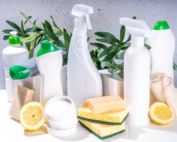
Certified non-toxic and eco-friendly products
-
Commercial-grade equipment
-
Trained techniques for deep cleaning
-
Consistent, reliable results
For homeowners seeking a thorough, chemical-free clean, professional services often offer better long-term value.
How to Start Transitioning to Chemical-Free Cleaning
You don’t need to replace everything at once. A gradual approach works best:
-
Replace high-use cleaners first (kitchen and bathroom)
-
Avoid heavily fragranced products
-
Read ingredient labels carefully
-
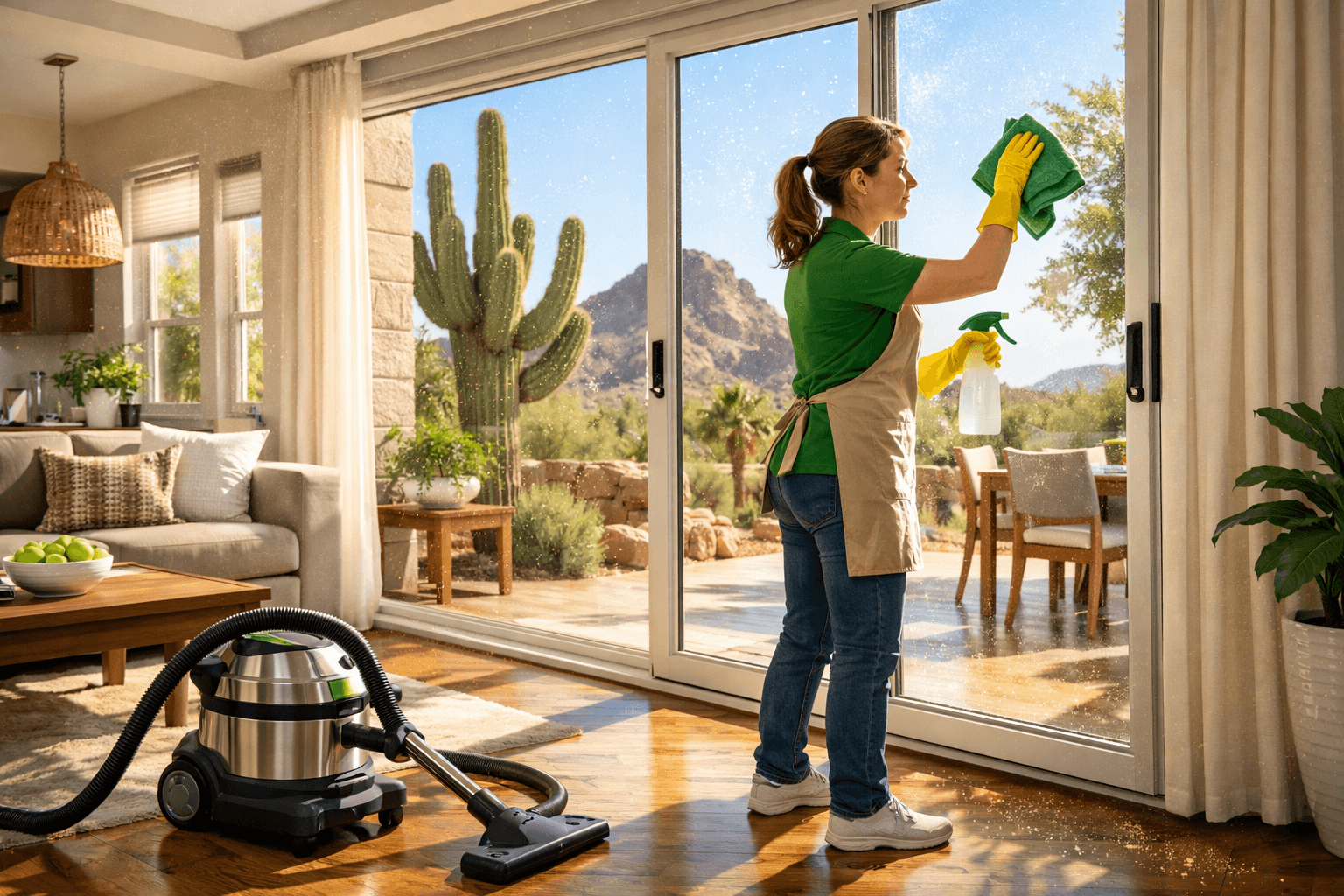
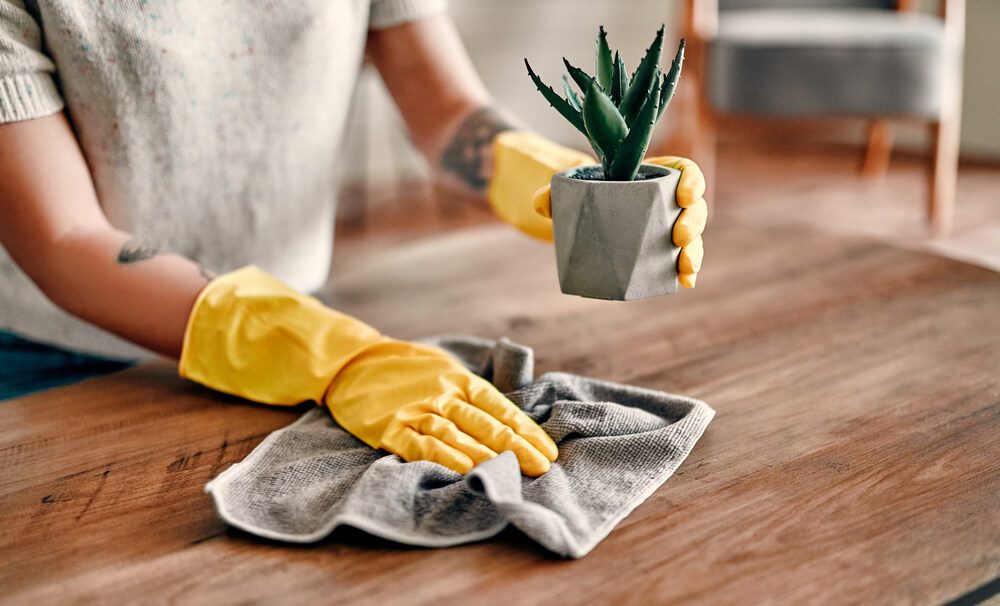
Use microfiber cloths to reduce product usage
-
Focus on ventilation during cleaning
Small changes add up to a healthier home over time.
When to Consider a Professional Non-Toxic Cleaning Service
A professional non-toxic house cleaning service is ideal if:
-
You want a full-home reset
-
Allergies or sensitivities are present
-
Time is limited
-
You want guaranteed chemical-free methods
Homeowners in Tempe, AZ often choose Going Green House for expert green cleaning solutions that prioritize health without compromising cleanliness.
Conclusion
Share this article
Related Posts




Follow us
A quick overview of the topics covered in this article.